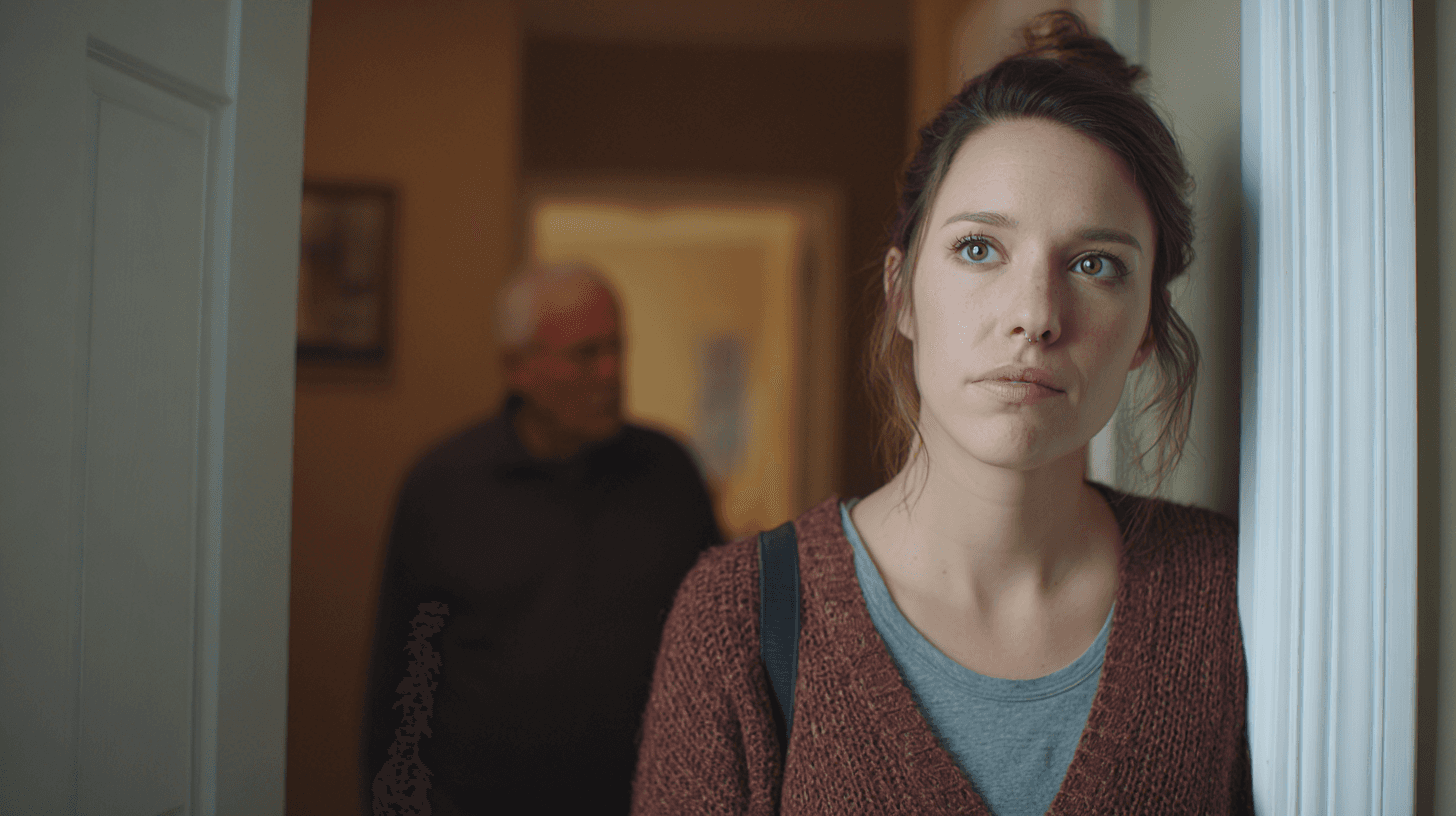
Signs You May Be Experiencing Caregiver Burnout (And What to Do Next)
Caregiver burnout doesn’t always look like exhaustion. Learn the common emotional and physical signs and what steps can help reduce the strain.
Caregiver burnout doesn’t always look like exhaustion. Learn the common emotional and physical signs and what steps can help reduce the strain.
Caregiving often starts with love and good intentions. Over time, though, the responsibilities can quietly grow heavier—until one day you realize you’re running on empty. Caregiver burnout doesn’t always show up as obvious exhaustion. In many cases, it appears gradually and is easy to overlook.
Recognizing the signs early can make a meaningful difference.
Burnout can look different for everyone, but many caregivers report experiencing:
Constant fatigue, even after rest
Feeling irritable, impatient, or emotionally numb
Trouble sleeping or changes in appetite
Increased anxiety or sadness
Feeling resentful, guilty, or overwhelmed
Withdrawing from friends or activities you once enjoyed
These feelings don’t mean you’re failing as a caregiver. They often mean you’ve been carrying too much for too long.
Caregiving often comes with:
Little to no downtime
Emotional pressure to “do it all”
Balancing work, family, and care responsibilities
Feeling like asking for help means letting someone down
When care becomes constant without support, burnout is a natural response—not a personal flaw.
The first step is acknowledging what you’re feeling. Burnout doesn’t improve by pushing harder. It improves when the workload becomes more sustainable.
That may include:
Setting clearer boundaries around your time
Sharing responsibilities where possible
Exploring structured care support options
Allowing yourself permission to rest
Support doesn’t mean giving up control. Often, it means finding systems that help carry the weight with you.
If caregiving is starting to feel overwhelming, it may help to explore care options that support both you and your loved one.